
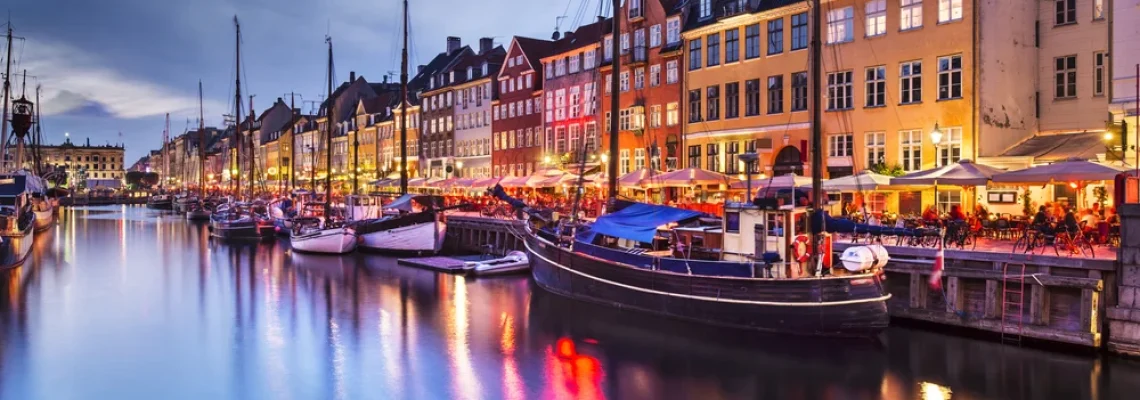
Unlock Your Scandinavian Dream: World-Class Education Awaits in Denmark!
Denmark, a Nordic country steeped in history and renowned for its high quality of life, offers a compelling destination for international students seeking higher education. While its academic roots may not stretch as far back as the UK’s, Denmark boasts modern, world-class universities and a strong emphasis on research and innovation. Its welcoming and progressive society, coupled with English-taught programs, makes it an increasingly attractive choice for students from around the globe. In Denmark, international students can pursue Bachelor’s, Master’s, and PhD degrees across a wide range of disciplines.
What are the costs associated with higher education in Denmark for international students?
Unlike the UK, tuition fees in Denmark vary depending on your nationality. For students from outside the EU/EEA and Switzerland, tuition fees generally apply. Initial expenses for international students include:
- Tuition Fees: Typically range from DKK 45,000 to DKK 120,000 per academic year (approximately £5,200 – £13,900, although exchange rates fluctuate).
- Living Expenses: Expect to budget approximately DKK 8,000 to DKK 12,000 per month (approximately £930 – £1,400) for accommodation, food, transportation, and other personal expenses. This can vary significantly depending on the city and your lifestyle.
- Visa Application Fee: DKK 3,700 (approximately £430).
- Residence Permit Fee: This is often combined with the visa application.
- Health Insurance: Non-EU/EEA students will typically need to arrange their own health insurance. Costs vary depending on the provider.
- Bank Statement: You will likely need to demonstrate sufficient funds to cover your living expenses for the duration of your initial residence permit. The exact amount will be specified by the Danish authorities.
What documents are generally required for higher education applications in Denmark?
While specific requirements can vary between universities and programs, the following documents are commonly requested for international students applying for Bachelor’s and Master’s degrees in Denmark:
For Bachelor’s Degree Admission:
- Passport copy
- Upper secondary school leaving certificate and transcripts (translated into English and possibly legalized/apostilled)
- Proof of English language proficiency (e.g., IELTS, TOEFL). Some programs may accept other forms of documentation.
- Motivational letter/Statement of Purpose
- Curriculum Vitae (CV)
- Specific program requirements (e.g., specific subject prerequisites)
For Master’s Degree Admission:
- Passport copy
- Bachelor’s degree certificate and transcript (translated into English and possibly legalized/apostilled)
- Proof of English language proficiency (e.g., IELTS, TOEFL). Some programs may accept other forms of documentation.
- Motivational letter/Statement of Purpose
- Curriculum Vitae (CV)
- Letters of Recommendation (typically 1-2)
- Specific program requirements (e.g., specific bachelor’s degree background)
- Medium of Instruction certificate (if your previous education was conducted in English)
It is crucial to check the specific admission requirements of the university and program you are applying to, as they may have additional documentation needs. Remember to start the application process well in advance of the deadlines.
